Cute Baby Turtle Floral Door Sign
When I first opened the preview for Cute Baby Turtle Floral Door Sign, my immediate thought wasn't about the file size or the DPI. It was about the vibe. There is a specific energy that comes with a baby turtle nestled in florals, and this design captures it perfectly. As someone who spends hours evaluating digital assets for real-world embroidery projects, I look past the pretty picture to ask: does this translate well from a screen to a needle? Does it hold up when stitched on a tote bag, a nursery pillow, or a custom sweatshirt? This review breaks down exactly how this piece performs in the workshop, based on practical experience with similar graphics in the Crafts and Graphics categories.
The First Impression: Mood and Layout
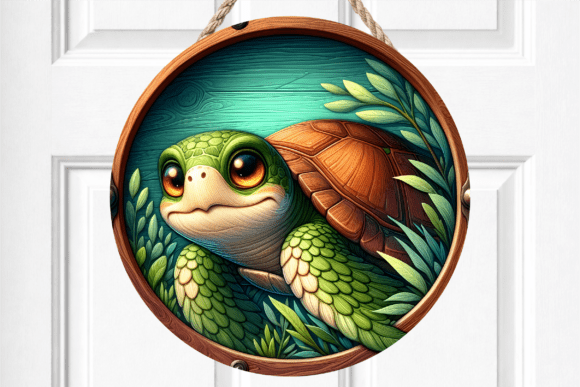
The visual personality of Cute Baby Turtle Floral Door Sign is warm, inviting, and undeniably soft. The round shape suggests a classic door hanger or a framed wall art piece, but in the context of machine embroidery, that circular composition offers a unique challenge and opportunity. It feels like a finished product right out of the box, rather than a raw element that needs heavy modification. The floral elements surrounding the turtle create a natural frame, which helps guide the eye and keeps the design cohesive even when stitched on textured fabrics like linen or canvas.
For the creative entrepreneur or Etsy seller, this mood is gold. It screams "nursery decor," "baby shower gift," or "spring home accent." The design doesn't rely on complex text or tiny details that might get lost in stitching; instead, it leans into character and charm. When you look at the layout, you can see where the stitch density should be highest—likely around the turtle's face and the flower centers—and where lighter running stitches or satin outlines would work best to define the edges without overwhelming the fabric.
Real-World Application: From Screen to Stitch
I recently simulated using this design for a custom order involving embroidered tote bags for a local boutique. The client wanted something that felt handmade but professional enough to justify a higher price point. Cute Baby Turtle Floral Door Sign fit that brief immediately. The round format sits beautifully centered on a standard canvas tote, creating a focal point that doesn't look cramped. Because the design is high-resolution (300 DPI), the curves remain smooth during digitization, ensuring that the final thread work looks crisp rather than jagged.
However, let's talk about the reality of stitching. If you plan to use this as an embroidery project for a small business, you need to consider the substrate. On a sturdy cotton canvas, the design would pop with vibrant thread colors. The floral accents would add texture against the rough weave of the bag. But what if you are working on a softer item, like a baby onesie or a fleece sweatshirt? The round nature of the design requires careful hoop placement to avoid distortion. A 4x4 hoop might struggle to accommodate the full circle without cutting off the outer petals, while a larger hoop ensures the entire composition stays true to its original intent.
I also envision this design thriving on kitchen towels or aprons. The theme fits a farmhouse aesthetic perfectly. Imagine stitching this in pastel threads on a cream-colored flour sack towel. The contrast between the light background and the colorful turtle would make the finished product stand out on a craft fair table. For holiday gifts, the design could be adapted for Christmas by swapping green threads for red, though the core imagery remains versatile enough for year-round sales.
Where to Use It (And Where to Be Careful)
While this design is robust, no single file works perfectly everywhere. There are specific scenarios where Cute Baby Turtle Floral Door Sign requires extra caution. If you are working with a very small hoop size, such as a 2x2 or 3x3 inch frame, you will likely have to crop the floral border. While this creates a tighter, more focused image, it changes the balance of the original artwork. You must decide if a cropped version still conveys the "door sign" feel you intend.
Textured fabrics present another hurdle. Thick denim or boucle wool can swallow fine details. If the floral petals are too thin in the digitization, they might not catch enough thread to show up clearly on these materials. Similarly, stretchy fabrics like jersey require a stabilizer strategy that prevents puckering. Without proper backing, the round shape might distort into an oval after washing, ruining the symmetry that makes the design so appealing.
Dense stitch areas are also a consideration. If the design relies heavily on fill stitches for the turtle's shell or the flower centers, it may become stiff. This stiffness is often desirable for items like patches or cap fronts, where structure is key. However, for a baby blanket or a soft pillow cover, too much density can reduce comfort. In these cases, reviewing the stitch density settings before starting the run is essential to ensure the handmade product remains pleasant to the touch.
Visual Appeal and Brand Value
In the world of Etsy sellers and small shop products, presentation is everything. A clean, well-executed embroidery design signals professionalism and builds customer trust. Cute Baby Turtle Floral Door Sign has the potential to elevate a basic item into a premium gift. When customers see a consistent, high-quality design applied to their purchase, they perceive higher value. This design is particularly effective for branding because it is distinct yet approachable. It works well as a logo element for a children's clothing line or as a signature mark on personalized gifts.
The versatility of the PNG file provided allows for easy mockup creation. You can place the design on various backgrounds to test color combinations before committing to expensive thread runs. Seeing the design in black and white on your computer screen helps you gauge the contrast requirements. If the lines are too close together, they might merge during stitching. Testing these variables early saves time and material, ensuring that your commercial embroidery projects meet quality standards.
Practical Designer Notes for Success
Before you start stitching, there are a few technical steps every designer should take. First, always test the design on scrap fabric. This is non-negotiable. You need to see how the stitch density interacts with your specific thread choice. Are the colors bright enough against the fabric? Do the darker threads bleed into the lighter ones? Checking the thread colors against the fabric texture ensures the final result matches your vision.
Confirming the hoop size is critical. Since the listing specifies a round design, verify that your embroidery machine can handle the diameter without excessive trimming. If the design includes any text, inspect the lettering closely. Tiny fonts often fail on curved surfaces like caps or rounded items like pillows. If the text is part of the floral arrangement, ensure it remains legible after stitching.
Don't forget the stabilizer. For a design with a large surface area like this one, a cut-away stabilizer is often the safest bet to prevent shifting and maintain the round shape over time. Also, review the licensing terms carefully. If you intend to sell the finished product or use this as a digital embroidery file for other creators, ensure you have the commercial rights. Many designs come with restrictions that limit how you can monetize them.
Finally, compare light and dark fabric backgrounds. A design that looks stunning on white might disappear on navy blue unless you adjust the thread palette. By taking the time to simulate these scenarios, you ensure that Cute Baby Turtle Floral Door Sign delivers a professional result every time. Whether you are making a personalized gift for a friend or stocking shelves for a craft business, this design offers a solid foundation for creativity. It is a reminder that good design isn't just about looking pretty; it is about being functional, durable, and ready for the real world.