Floral Frame Silhouettes Vector Review
As a designer who has stitched thousands of designs for clients and personal projects, I know that the difference between a good embroidery file and a great one often comes down to how it translates from screen to fabric. When I first pulled up Floral Frame Silhouettes Vector, I wasn't just looking at a pretty image; I was mentally mapping out where this could fit into my current workflow. The product falls under the Crafts category and is listed as Graphics, but in the hands of an embroiderer, it becomes something much more tangible: a versatile asset for building a brand or creating a personalized gift.
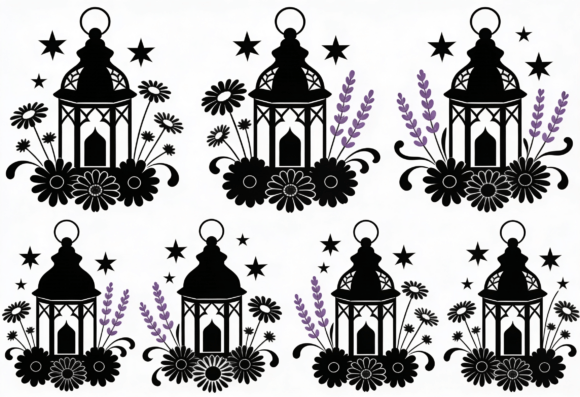
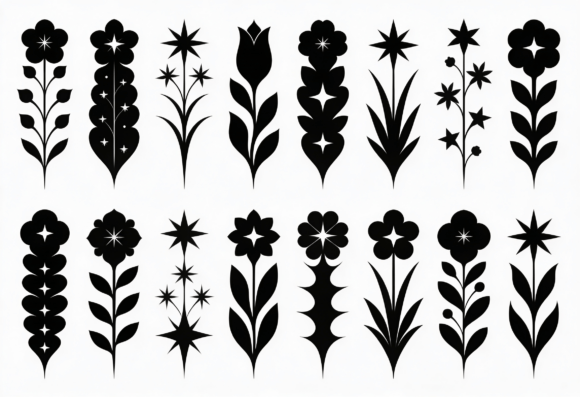
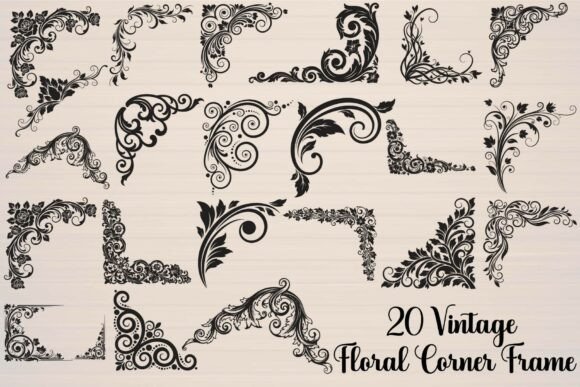
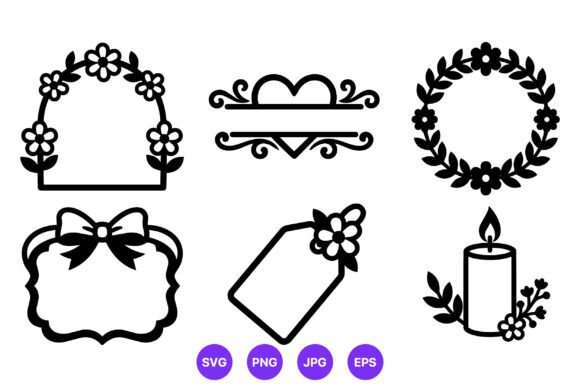
The first impression of this design set is one of clean, classic elegance. It features a collection of black and white silhouettes including a wreath, a tag with flowers, a decorative ribbon with a bow, a candle with floral accents, and a heart ornament. This specific combination immediately suggested utility. Unlike complex pictorial scenes that might get lost in stitching, these frame elements are defined by their outlines. They feel like they were built to be used as borders, logos, or focal points on a variety of items, from a custom embroidered tote bag to a delicate baby onesie.
Real-World Application: From Screen to Stitch
I recently had a scenario where a client needed a cohesive branding package for her small shop selling handmade soaps and candles. She wanted a logo that felt rustic yet refined. While I didn't use every single element, the Floral Frame Silhouettes Vector provided the perfect structural backbone. Imagine taking the wreath silhouette and converting it into a machine embroidery design. On a dark apron or a canvas tote bag, a crisp satin stitch outline would pop beautifully against the fabric texture.
For a commercial embroidery project, the versatility here is undeniable. You could easily adapt the decorative ribbon with bow for a holiday gift wrap tag, or use the candle motif for a nursery wall hanging. The vector nature of the source means you can scale the size without losing the integrity of the lines, which is crucial when deciding on hoop sizes. Whether you are working on a standard 4x4 hoop for a t-shirt chest logo or expanding to a larger area for a sweatshirt back print, the geometry holds up well.
However, the transition from digital graphic to physical stitch requires some strategic thinking. If you plan to turn this into a finished product for your Etsy listing, you need to consider the stitch density. A simple outline works best for running stitches or light fill stitches, ensuring the fabric doesn't pucker. For a high-end boutique product, using a mix of satin stitch for the outer edges and a sparse fill for the interior details could elevate the perceived value significantly. Customers buying handmade goods often judge quality by the neatness of the stitching, and these clean shapes offer a forgiving canvas for that precision.
Navigating Fabric and Surface Challenges
Not all surfaces play nice with embroidery, and knowing where to apply caution is part of being a professional. While the Floral Frame Silhouettes Vector is robust, certain applications require extra care. If you are attempting this on a curved surface like a cap or a fitted hat, the flat nature of the original vector might distort if not digitized with proper curvature compensation. Similarly, textured fabrics like heavy bouclé or loose-weave linen can swallow up fine details. In those cases, keeping the line weight thicker ensures the design remains visible after washing.
Thin or stretchy fabrics present another hurdle. If you are making baby embroidery items, such as a bib or a soft blanket, you must ensure the stabilizer choice matches the fabric's needs. Without adequate backing, even a simple frame design can cause the material to gather unevenly. Dark fabrics also demand attention; a black silhouette on a black shirt will be invisible unless you use a contrasting thread color or add a subtle underlay. Always test your thread colors against the final fabric before committing to a full production run.
There are also areas where this design should be used carefully. Tiny lettering or intricate corners within the floral details might get lost if the hoop size is too small. Dense stitch areas can make the fabric stiff, which might be undesirable for items like pillow covers or clothing that needs to drape softly. For products that need frequent washing, like kitchen towels or aprons, ensure the stitch pattern is secure enough to withstand the agitation without fraying or pulling.
Visual Appeal and Brand Consistency
In the world of handmade products, visual consistency builds trust. Using a cohesive set like Floral Frame Silhouettes Vector helps create a recognizable aesthetic across different items. If you sell a range of products, having a matching wreath, tag, and ribbon allows you to tie everything together seamlessly. This kind of professionalism makes a small shop look established and reliable to potential buyers.
The design also lends itself well to printable mockups. Before you even cut the thread, you can place the vector graphics onto images of tote bags, sweatshirts, or patches to show customers what the final product will look like. This is an essential step for any digital product seller or craft business owner. It allows you to validate the concept and gauge customer interest without spending money on materials.
Practical Designer Notes for Success
If you decide to incorporate this into your next embroidery project, there are a few non-negotiable steps to ensure a flawless result. First and foremost, always test the design on scrap fabric that matches the weight and weave of your final material. This reveals how the thread tension interacts with the specific textile.
You should also review the stitch density settings. If the design includes fill areas, check that they aren't too dense, which can cause puckering, or too sparse, which can leave gaps. Confirm the hoop size early in the process; a design intended for a large banner won't work in a small hoop without resizing, which can alter the proportions. Inspect small details closely, especially the curves in the ribbon and the tips of the leaves, to ensure they will stitch cleanly.
Don't forget to compare the design in both black and white mockups. Sometimes a design looks great in color but lacks definition in monochrome, which is common in embroidery files. Check whether the design works for both personal and commercial projects by reviewing the license terms included in the ZIP download. If you are planning to sell finished items featuring this design, confirm that the licensing agreement permits commercial use to avoid legal issues later.
Finally, select your stabilizer wisely. The right stabilizer supports the fabric during stitching and prevents distortion once the hoop is removed. Whether you choose tear-away, cut-away, or wash-away depends on the fabric type and the intended use of the item. By paying attention to these details, you transform a simple vector graphic into a high-quality embroidery file that stands up to scrutiny.
Ultimately, Floral Frame Silhouettes Vector is a strong candidate for anyone looking to add a touch of botanical charm to their creations. It strikes a balance between simplicity and detail, making it suitable for everything from quick hobbyist projects to serious commercial merchandise. With careful planning and execution, these frames can become the signature element of your handmade brand.