Rose Line Art SVG Review for Real Embroidery
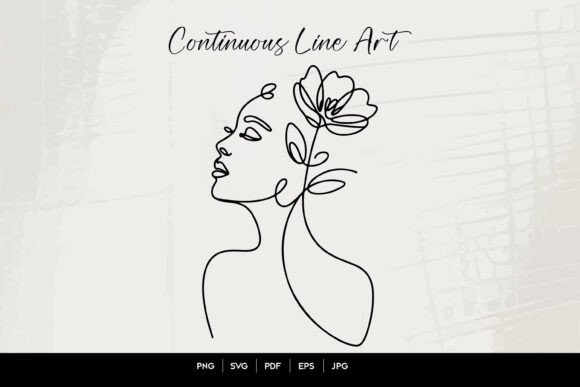
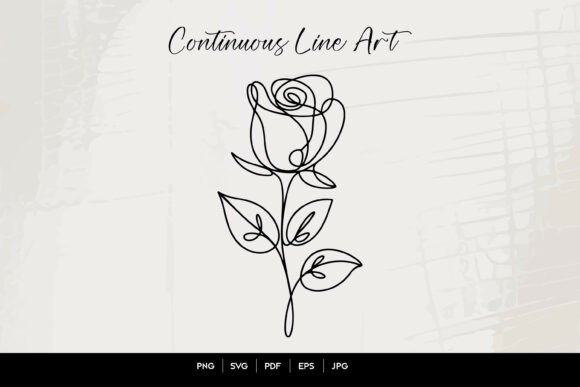
When I first opened the Rose Line Art SVG file to test it on my embroidery machine, I wasn't just looking at a pretty picture. I was thinking about the finished product sitting on a customer's shelf or hanging in their home. As a designer who spends hours tweaking stitch density and evaluating how digital files translate into thread, my initial reaction to this piece was one of cautious optimism. The continuous line style is trendy, but it presents specific challenges when converted from a vector graphic into a physical textile design.
The visual personality of the Rose Line Art SVG is undeniably elegant. It captures the essence of a botanical bloom without getting bogged down in heavy fill stitches. This minimalist approach creates a mood that feels modern, romantic, and sophisticated. For a craft business owner or an Etsy seller, this aesthetic is gold because it appeals to a wide demographic, from young brides looking for wedding favors to homeowners seeking chic nursery decor. However, the beauty of the line art lies in its simplicity, which means the execution must be flawless to maintain that high-end look.
From Screen to Stitch: A Real-World Scenario
Let me walk you through a practical scenario where I tested this design. Imagine you are preparing a custom order for a boutique client who wants a set of embroidered kitchen towels for a housewarming gift. You decide to use the Rose Line Art SVG as the central motif. The continuous line flow of the rose fits perfectly across the width of a standard tea towel, creating a seamless, flowing effect that looks intentional rather than crowded.
In this setting, the design shines. The lack of dense stitching areas reduces the risk of puckering on lightweight cotton fabric. When I ran the test, the running stitch simulation looked crisp against the white background. The customer isn't going to see a thick, raised patch of thread; they will see a delicate, artistic sketch brought to life. This level of subtlety elevates the perceived value of the handmade product. It signals to the buyer that care was taken in the digitizing process, not just a quick import from a generic library.
However, let's say you wanted to use the same design on a structured baseball cap. Suddenly, the continuous nature of the line becomes tricky. Curved surfaces like caps require designs that can withstand tension without distorting. While the Rose Line Art SVG is versatile, placing a long, continuous floral stem on the curved front panel of a hat might result in uneven spacing if the hoop size isn't perfectly matched to the garment shape. This is where real-world judgment comes in: knowing when a design works best on flat surfaces like tote bags or pillow covers versus complex curves like hats or sleeves.
Where the Design Excels and Where to Pause
This file is a powerhouse for custom apparel and home goods. It performs exceptionally well on sweatshirts, where the soft texture of the fleece hides minor imperfections, allowing the clean lines of the rose to stand out. It is also ideal for baby clothes, where the gentle, non-intrusive nature of line art is safer and softer against sensitive skin compared to bulky satin stitch borders.
For the Etsy seller or small shop owner, the versatility of the included formats—SVG, PNG, EPS, PDF, and JPG—is a major plus. These design assets allow you to create printable mockups for your online listings without needing to photograph every single item immediately. You can visualize the Rose Line Art SVG on various backgrounds, from dark denim to pastel linen, ensuring your marketing materials accurately represent the final finished product.
That said, there are areas where caution is required. If you plan to use this for embroidered patches, you need to consider the stability of the backing. Continuous line designs often rely on negative space to define the shape. On a patch, if the stabilizer is too thin or the fabric is too stretchy, the lines might warp during the cutting process. Similarly, avoid using this design on very dark fabrics unless you have a specific underlay strategy. The thin lines might get lost against a black background, requiring a contrasting thread color that could alter the intended delicate look of the original artwork.
Navigating Technical Challenges
As an experienced reviewer, I cannot stress enough the importance of testing before production. Before you commit to a batch of 50 handmade products, always run a test on scrap fabric. Pay close attention to the stitch density. Even though this is a line art design, the software needs to convert those lines into thousands of tiny stitches. If the density is too high, the fabric will pucker, ruining the elegant silhouette of the rose. If it is too low, the thread might not cover the fabric evenly, leaving gaps that look unfinished.
You should also inspect the small details closely. In some digital conversions, the sharp corners of the line art can become rounded or broken up by the machine's needle movement. Check whether the design works well in both light and dark thread colors. Sometimes, a design that looks perfect in white thread on black fabric behaves differently when switched to gold or silver metallic threads, which are popular for wedding gifts and Valentine's Day items.
Another critical factor is the hoop size. If you attempt to stitch a large version of the Rose Line Art SVG in a small hoop, the machine may struggle to reach all sections without repositioning the fabric, which can lead to alignment issues. Conversely, using a massive hoop for a tiny detail might cause unnecessary fabric movement. Always confirm the recommended dimensions for your specific machine setup.
Impact on Brand and Customer Trust
Choosing the right embroidery file directly impacts your brand consistency. A sloppy stitch job can make a professional-looking business appear amateurish, while a clean, well-executed design builds trust. The Rose Line Art SVG offers a clean slate for establishing a cohesive look across your product line. Whether you are branding a set of aprons, a collection of tote bags, or a series of holiday gifts, this design provides a recognizable visual anchor.
For the creative entrepreneur, the ability to offer personalized versions of this design adds significant value. Because the lines are distinct, adding a name or date near the floral element doesn't clutter the composition. It allows for customization that feels integrated rather than tacked on. This is crucial for commercial embroidery projects where clients expect a tailored touch.
Ultimately, the decision to use this design depends on your specific workflow and the quality of your equipment. If you prioritize precision and have the time to fine-tune your settings, the Rose Line Art SVG can produce stunning results that elevate your crafter business. It transforms a simple digital file into a tangible piece of art that customers will cherish.
Before you start selling, ensure you understand the licensing terms associated with the file. Confirm whether you are allowed to sell finished items made with this design or if it is restricted to personal use. Clarity on these points protects your small shop product business from potential legal issues. With careful planning and a keen eye for detail, this design has the potential to become a staple in your collection of craft business essentials.