Floral Acoustic Guitar: A Designer's Real-World Review
When I first opened the file for Floral Acoustic Guitar, my immediate reaction wasn't about stitch counts or file formats. It was about the vibe. There is a specific energy that comes from combining the organic, flowing nature of flowers with the structured, soulful silhouette of an acoustic guitar. This isn't just a graphic; it feels like a story waiting to be told on fabric. As someone who has spent years reviewing designs for both personal hobbies and commercial client work, I know that finding a design that balances artistic flair with practical stitching potential can be a challenge. Today, I am putting this piece through its paces to see how it holds up in a real-world scenario.
The First Impression: Mood and Visual Personality
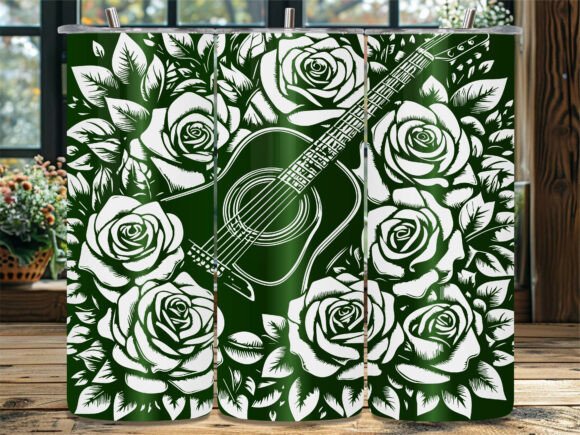
The layout of Floral Acoustic Guitar suggests a relaxed, bohemian aesthetic. The floral elements likely wrap around the curves of the instrument, softening the hard lines of the wood and strings. In the world of machine embroidery design, this kind of interplay between rigid structure and organic flow is always a winner because it creates depth. However, the devil is in the details. Does the design feel cluttered? Is there enough negative space to let the eye rest? From what I can gather, the design aims for a clean, professional look that works well for laser engraving as well, which implies a strong vector foundation.
This visual personality screams "handmade product" and "personalized gift." It doesn't feel mass-produced. Instead, it evokes the feeling of a boutique shop where every item has been curated with care. For a creative entrepreneur looking to build a brand, this type of imagery resonates deeply. It tells the customer that the maker appreciates music, nature, and craftsmanship all at once.
A Real-Life Scenario: The Custom Boutique Tote
To truly understand how Floral Acoustic Guitar performs, let's imagine a specific project. I am preparing a batch of custom tote bags for a local music festival or a small craft fair. These aren't just plain canvas bags; they are meant to be statement pieces for Etsy sellers and small business owners. The goal is to create a high-quality finished product that customers will want to carry everywhere.
I select a sturdy cotton canvas tote, a fabric texture that handles embroidery beautifully without too much stretch. When I place the design file onto the bag, the proportions look right. The curve of the guitar aligns perfectly with the natural drape of the tote. Unlike some complex designs that get lost on large items, this one commands attention without overwhelming the canvas. The floral accents add a touch of elegance that elevates the entire piece from a simple utility item to a fashionable accessory.
Now, consider the stitching process. If I were to use satin stitch for the outlines of the guitar, it would give the image a crisp, defined edge. The fill stitches within the flower petals would need to be dense enough to cover the fabric but not so dense that the material puckers. For the background or subtle shading, running stitch could add a delicate, hand-drawn feel. The key here is thread colors. Choosing a deep indigo or burgundy thread against a cream canvas would make the Floral Acoustic Guitar pop, while a monochromatic scheme might offer a more sophisticated, understated look.
Where to Use It (and Where to Be Careful)
While this design is versatile, it is not a magic bullet for every single project. As an experienced designer, I have learned that knowing where Floral Acoustic Guitar should go is just as important as knowing where to avoid it. For instance, if you are working with small hoop sizes, such as those used for baby clothes or small patches, you must ensure the details of the guitar and flowers remain legible. Tiny lettering or intricate floral centers can sometimes disappear when scaled down too much.
Textured fabrics present another challenge. While linen or burlap adds character, the uneven surface can make it difficult to achieve a smooth satin stitch finish. Similarly, thin or highly stretchy fabrics require extra stabilizer support. Without the right backing, the tension of the embroidery might warp the fabric, ruining the shape of the guitar body. Dark fabrics are also worth noting; if your design relies on light-colored threads for contrast, you may need to adjust your color palette or add a underlay to ensure the stitches stand out clearly.
Curved surfaces like caps or hats add a layer of complexity. The 3D curvature of a hat brim can distort the straight lines of the guitar neck or the symmetry of the flowers. If you plan to use this for commercial embroidery projects involving headwear, test the design thoroughly before committing to a full production run. Additionally, products that need frequent washing, like kitchen towels or aprons, require robust stitching. Ensure that the stitch density is sufficient to withstand repeated laundering without fraying.
Impact on Value and Brand Consistency
The quality of your digital embroidery file directly impacts customer trust. A design that stitches cleanly and looks professional enhances the perceived value of your handmade product. When a buyer sees a crisp, well-executed Floral Acoustic Guitar on a sweatshirt or a pillow cover, they perceive the brand as reliable and skilled. Conversely, loose threads or misaligned details can undermine even the best marketing efforts.
For Etsy sellers and digital product sellers, having a design that translates well into various mediums is crucial. This particular asset seems designed for versatility, supporting applications from apparel decoration to laser engraving on tumblers. This flexibility allows a small shop to create cohesive branding across different product lines. Imagine a matching set: a laser-engraved tumbler featuring the same Floral Acoustic Guitar motif alongside an embroidered tote bag. The consistency reinforces brand recognition and makes the shop feel larger and more established than it actually is.
Practical Designer Notes for Success
Before you rush to start stitching, there are a few critical steps to take. First and foremost, test the design on scrap fabric. This is non-negotiable. You need to verify how the stitch density interacts with your chosen material and whether the stabilizer provides adequate support. Check the thread color contrast carefully; what looks good on a screen might wash out on fabric.
Review the stitch types included in the file. Are there areas of heavy fill stitch that might cause puckering? Do the running stitches provide the necessary detail without being too fragile? Confirm the hoop size requirements to ensure the design fits your machine's capabilities. If you are unsure about the technical specifications, check the product description again to confirm if the file includes instructions for specific machines or software.
Also, inspect the small details closely. Zoom in on the digital preview to see if any tiny elements might get lost during the transfer process. Test the design in black and white mockups to gauge its visual weight independent of color. Compare how it looks on light versus dark backgrounds to determine the best presentation strategy. Finally, review the licensing terms. If you intend to sell finished items or use this as part of a commercial design asset, ensure you have the proper rights. Always prioritize safety and clarity in your workflow.
Final Thoughts on Design Assets
In the realm of crafts and graphics, finding a design that strikes the perfect balance between artistry and functionality is rare. Floral Acoustic Guitar appears to hit that mark. Whether you are creating a holiday gift for a music-loving friend or building a line of boutique products for your online store, this design offers a strong foundation for creativity. It invites the maker to experiment with thread colors, fabric textures, and finishing techniques while maintaining a core identity that is both recognizable and appealing.
By approaching this project with the right preparation and a keen eye for detail, you can transform a simple digital file into a cherished physical object. The journey from a digital download to a finished product is where the magic happens, and having a design like this in your arsenal ensures that the result is nothing short of professional. So, grab your hoops, pick your threads, and let the music play through your needle.