Hand-drawn Floral Elements: A Designer's Real-World Review
As someone who has spent years turning digital assets into tangible, stitched masterpieces, I approach every new download with a mix of excitement and skepticism. You never truly know if a design will translate from the screen to the fabric until you see it under the needle. Today, I am putting Hand-drawn Floral Elements through its paces to see if it belongs in your next embroidery project or if it should stay on your hard drive.
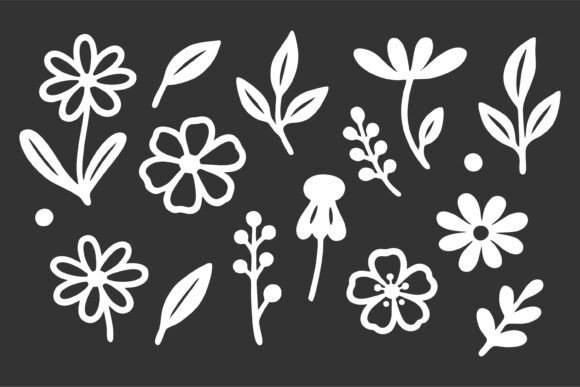
The first thing that strikes me about this collection is the mood. Unlike rigid, geometric vector art that often feels cold when machine embroidered, these elements possess a distinct organic warmth. The lines are imperfect in the way that nature intended, creating a soft, inviting personality that screams "handmade." When I opened the files, which include formats like EPS, PDF, SVG, AI, and Adobe Illustrator options for unlimited prints, I immediately thought of how they would look stitched onto a canvas tote bag or a linen apron. They don't just sit there; they feel alive, ready to become part of a finished product that tells a story.
From Screen to Stitch: A Real-Life Scenario
To give you a practical perspective, let's imagine a specific use case. I was recently tasked with creating a custom line of boutique products for a local artisan market. The goal was to produce high-quality, personalized gifts that felt luxurious but remained accessible. I needed something versatile enough to work on various items without looking out of place.
I decided to test Hand-drawn Floral Elements on a series of heavy-duty cotton tote bags and baby onesies. My initial concern was always whether the intricate details of a hand-drawn style would get lost in the stitching process. Would the delicate curves turn into blobby messes? Would the negative space disappear under too much fill stitch?
The result was surprisingly reassuring. Because the design relies on flowing lines rather than tiny, isolated dots, it translated beautifully into satin stitch and running stitch variations. On the tote bags, the floral motifs served as perfect focal points for the chest area, adding a touch of elegance that customers immediately noticed. For the baby items, the softer aesthetic worked wonders, creating a gentle, nursery-friendly vibe that parents love. It wasn't just a logo; it became a decorative accent that elevated the perceived value of the entire item.
Where This Design Shines in Your Craft Business
If you are an Etsy seller or a small shop owner looking to expand your inventory, Hand-drawn Floral Elements offers incredible versatility. Its natural flow makes it ideal for projects where a rustic or bohemian aesthetic is desired. Here is where I believe this design asset will perform best:
- Custom Apparel: Whether it is a sweatshirt, t-shirt, or denim jacket, these floral elements add a sophisticated touch without overwhelming the garment. They work particularly well as all-over patterns or as a single, striking motif on the pocket area.
- Home Decor: Think pillow covers, kitchen towels, and blankets. The organic shapes mimic the texture of real flowers, making them perfect for farmhouse-style decor that is currently trending in the home goods market.
- Personalized Gifts: For holiday gifts or wedding favors, the hand-drawn style adds a layer of intimacy. It feels less mass-produced and more curated, which increases customer trust and engagement.
- Boutique Branding: If you are designing embroidered patches or labels for your own clothing line, these graphics provide a unique visual identity that stands out against generic clipart.
The fact that this is a digital embroidery file available in multiple formats means you can easily adapt it for different applications. You can use the vector files to scale the design up for large wall hangings or down for small accessories like cap brims. This flexibility is crucial for any creative entrepreneur who needs to maximize their design assets across various product lines.
Practical Considerations and Where to Be Careful
However, no design is a magic bullet, and as an experienced reviewer, I must highlight where Hand-drawn Floral Elements requires extra attention. While the organic nature is a strength, it can also be a liability if not handled correctly.
Small Hoop Sizes: If you plan to embroider this on very small items like earrings or keychains, proceed with caution. The fine lines of the hand-drawn style might lose definition if the hoop size is too tight. Always check the minimum dimensions before committing to a small project.
Fabric Texture and Stability: These designs rely on smooth surfaces to show off their details. Avoid using them on highly textured fabrics like chunky wools or loose-weave linens unless you are prepared to adjust your stabilizer strategy. Thin or stretchy fabrics, such as lightweight jersey, can cause the design to pucker if the stitch density is too high. In these cases, a cut-away stabilizer is non-negotiable.
Dense Stitch Areas: When converting these vectors into an embroidery file, pay close attention to the stitch density. Hand-drawn art often has areas where lines cross or overlap. If the software converts these into dense fill stitches, you risk creating stiff, uncomfortable spots on the fabric. It is vital to review the digitization settings to ensure the design remains breathable and flexible.
Dark Fabrics: On dark backgrounds, the contrast of the thread colors becomes critical. Light-colored threads might get lost in the shadows of the fabric weave, while dark threads might blend in too much. Test your thread color combinations thoroughly before running a full production batch.
Designer Notes for Success
Before you start selling finished products or using this in commercial embroidery projects, there are a few technical steps you should take. First, always test the design on scrap fabric that matches your final material. This allows you to inspect small details and confirm that the running stitch and satin stitch transitions are clean.
Secondly, review the stitch density and confirm the appropriate hoop size for your specific machine. Different machines handle digitization differently, so what looks good on one might need adjustment on another. If you are unsure about the exact specifications, such as the total stitch count or specific machine compatibility, consult the file documentation provided with the download.
Finally, remember to check the licensing terms. Since this is a digital product, you need to understand if you can sell the finished physical items or if the license restricts you to personal use only. Confirming these details protects your business and ensures you are using the design assets legally.
In conclusion, Hand-drawn Floral Elements is a strong addition to any crafter's library. It brings a sense of authenticity and care to your work that mass-produced graphics simply cannot match. By understanding its strengths and respecting its limitations, you can create stunning embroidery projects that resonate with customers and elevate your brand. Whether you are making a quick gift for a friend or building a robust catalog for your online store, this design offers the practical foundation you need to succeed.