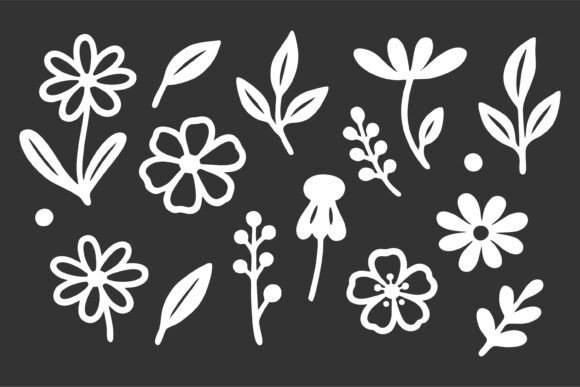
Floral Line Art Border Design Elements Review
I have spent years stitching, designing, and reviewing digital assets for everything from boutique apparel to custom nursery decor. When a new embroidery file lands on my desk, I don't just look at the image; I imagine the needle movement, the thread tension, and how it will sit on a customer's shirt after three washes. Today, I am putting the Floral Line Art Border Design Elements through that same rigorous test. This is not just another pretty picture in the Crafts and Graphics category; it is a potential workhorse for your next commercial project or handmade gift.
The First Stitch: Visual Personality and Mood
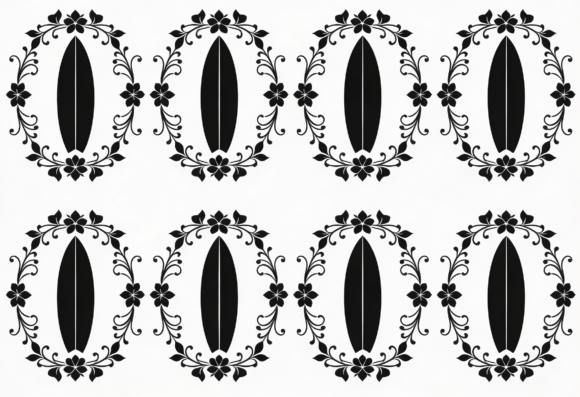
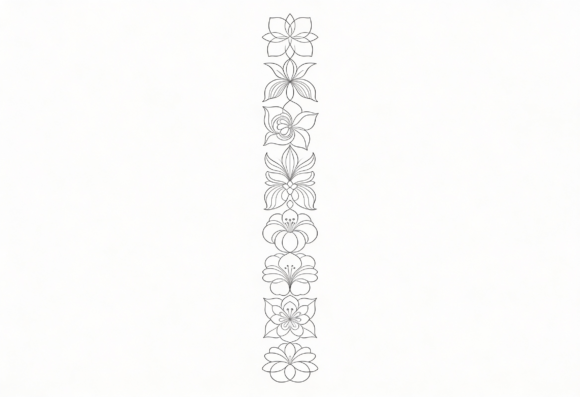
My immediate reaction to Floral Line Art Border Design Elements is one of clean sophistication. In a market saturated with heavy, dense floral motifs that can easily overwhelm a small hoop, this design offers a breath of fresh air. The line art style suggests a delicate touch, relying on negative space and elegant curves rather than thick fill stitches. It feels modern yet timeless, perfectly suited for brands that want to convey quality without shouting for attention.
The layout creates a natural frame, which tells me immediately where this design belongs. It does not demand to be the center of attention; instead, it enhances what is already there. Whether you are framing a monogram on a baby onesie or adding a subtle accent to a kitchen towel, this border provides structure without clutter. For an Etsy seller or small shop owner, this kind of versatility is gold because it allows you to create cohesive collections that look professional right out of the machine.
Real-World Application: From Tote Bag to Boutique Brand
To truly understand the value of this asset, let us walk through a real scenario. Imagine you are preparing a batch of custom embroidered tote bags for a local artisan fair. You need something that looks high-end but won't take hours to stitch. You decide to use Floral Line Art Border Design Elements along the top edge of the bag.
Because the design relies heavily on thin lines, it translates beautifully onto canvas or cotton duck fabric. The running stitches and fine satin strokes mimic the hand-drawn aesthetic of the original vector, giving the finished product a bespoke feel. Customers walking by the booth will see a polished, consistent brand mark rather than a mass-produced logo. The border guides the eye naturally toward the center of the bag, where you might place a simple text element or a small icon.
This approach works equally well for custom apparel. Picture a sweatshirt for a holiday gift collection. Instead of a large chest graphic, you run this floral border across the cuffs or the bottom hem. It adds a layer of detail that makes the garment feel more expensive and thoughtfully designed. For personalized gifts, such as wedding favors or bridal party robes, the elegance of the line art ensures that the embroidery never feels tacky or cheap, regardless of the thread color you choose.
Where This Design Shines Best
- Pillow Covers and Home Decor: The linear nature of the flowers works wonders on textured fabrics like linen or burlap, adding a refined touch to rustic interiors.
- Kitchen Towels and Aprons: A border design is perfect for framing the edges of utility items, making them suitable for gifting or retail.
- Baby Embroidery: The soft, non-aggressive lines are ideal for delicate infant clothing, avoiding the bulk that can irritate sensitive skin.
- Embroidered Patches: If you are creating iron-on patches, this design cuts cleanly and holds its shape well when finished with a merrowed edge.
Practical Pitfalls: Where to Proceed with Caution
As much as I appreciate the aesthetic, a good designer knows that beauty must be paired with technical feasibility. There are specific situations where Floral Line Art Border Design Elements requires careful handling. If you are working with a small hoop size, you must be vigilant about the density of the lines. While the design is clean, cramming too many intricate details into a tiny area can cause the threads to merge, blurring the delicate features of the flower.
Texture is another factor to consider. On highly textured fabrics like terry cloth or chunky knits, thin line art can get lost or look uneven. Similarly, if you are embroidering on stretchy fabric without proper stabilizer, the tension required for those fine lines might cause puckering, ruining the crisp look of the border. Dark fabrics present their own challenge; unless you use a high-quality underlay or a contrasting light thread, the black lines of the design may disappear into the background.
Curved surfaces, such as caps and hats, also demand a second look. While borders often adapt well to curved panels, the continuity of the floral pattern needs to be checked to ensure it flows logically around the curve without looking distorted. Finally, for products that require frequent washing, like children's clothes or work aprons, ensure that the stitch density is sufficient to withstand abrasion. Too sparse, and the design fades; too dense, and the fabric becomes stiff.
Maximizing Value and Customer Trust
In the world of craft business, the perceived value of your product is directly tied to the quality of the execution. A poorly digitized design can make a handmade item look amateurish, while a sharp, well-executed border elevates the entire piece. Using Floral Line Art Border Design Elements correctly signals to your customers that you care about details. It builds trust and encourages repeat purchases.
When you present these items in printable mockups or online listings, the clean lines of the design render sharply, ensuring that buyers get a clear idea of what they are purchasing. This clarity reduces returns and increases satisfaction. Furthermore, the design fits seamlessly into various branding strategies, allowing you to maintain consistency across different product lines, from digital downloads to physical goods.
Essential Designer Notes Before You Start
Before you load this file into your machine, keep these practical steps in mind to ensure success:
- Test on Scrap Fabric: Always run a test stitch on a scrap piece of your actual production fabric to check for tension issues and thread breakage.
- Check Thread Color Contrast: Ensure your chosen thread colors provide enough contrast against the fabric to make the fine lines visible.
- Review Stitch Density: Inspect the file settings (if editable) or consult the provider regarding recommended density to prevent fabric distortion.
- Confirm Hoop Size: Verify that the design dimensions fit your intended hoop size without requiring excessive trimming.
- Inspect Small Details: Zoom in on the digital preview to ensure no tiny elements are so small they will disappear during stitching.
- Use Proper Stabilizer: Select the correct stabilizer type (cut-away, tear-away, or sticky) based on the fabric weight to support the fine lines.
- Verify Licensing: Check the terms carefully to confirm whether you can sell finished products made with this design, especially if you are using it for commercial embroidery.
Ultimately, Floral Line Art Border Design Elements is a versatile tool in the arsenal of any serious embroidery designer. It balances artistic flair with practical application, making it an excellent choice for anyone looking to elevate their handmade product offerings. By understanding its strengths and respecting its limitations, you can create stunning finished products that stand out in a crowded marketplace.